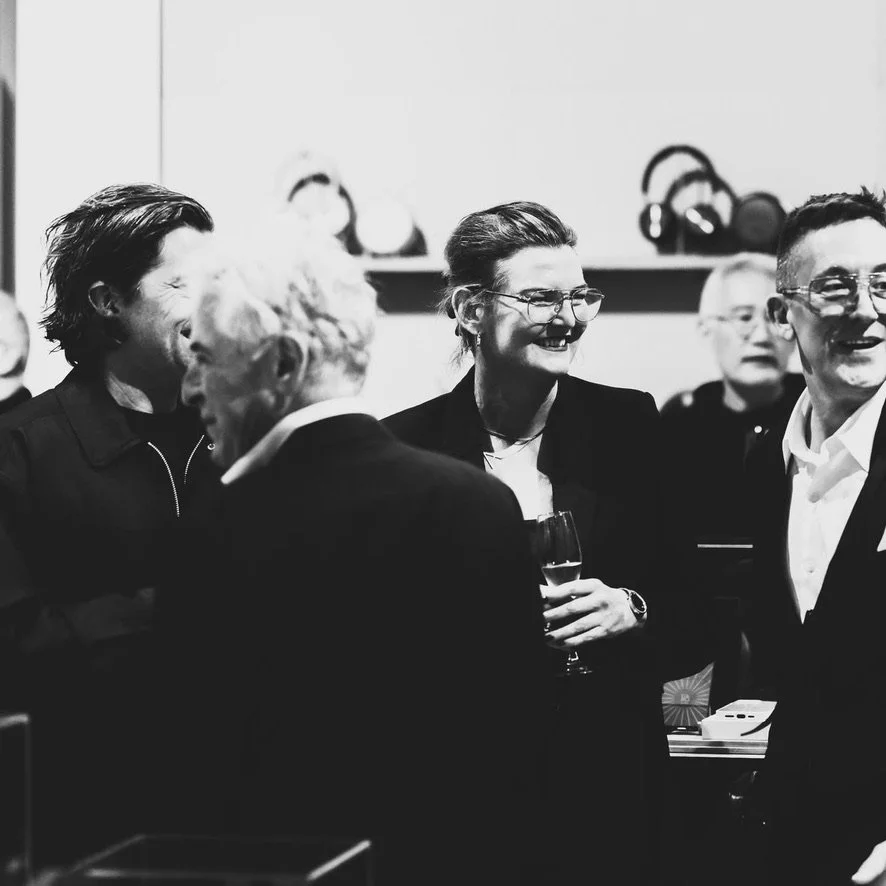
The Human Layer.
Experience By Design was built on a belief shaped across years working inside premium brands, cultural institutions, sporting clubs, and membership environments: that the experience surrounding a membership matters just as much as the membership itself.
Most organisations already know what they offer. The question is whether people still feel connected to it.
As organisations grow, modernise, and come under pressure to increase revenue, the human side of the experience is often flattened by process, operations, and competing priorities.
The organisations that retain loyalty over time are usually the ones paying attention to the details that don’t appear neatly in a monthly report: how people are welcomed, how communication feels, whether members feel recognised, and whether the atmosphere still reflects the promise being sold.
Those details shape whether people stay, participate, bring others with them, or quietly disengage.
Experience By Design works with membership organisations to close the gap between what an organisation intends to deliver and what members actually experience day to day.
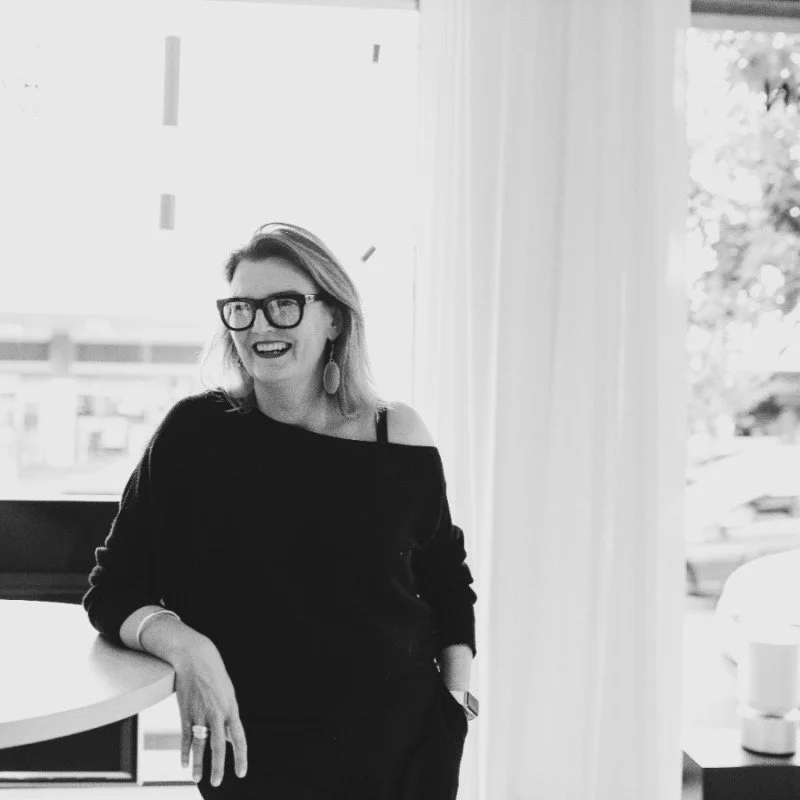
Anita Quigley, Principal.
Anita Quigley has spent her career working across brand, communications, hospitality, showroom experience, partnerships, and member engagement inside some of Australia’s most respected design and cultural environments.
Her work has included commercial growth strategy, flagship showroom launches, events, partnerships, and governance roles within membership organisations themselves.
Having worked both inside these environments and as a member experiencing them firsthand, she understands the tension that often exists between boards, operations teams, commercial pressure, and member expectations.
Experience By Design was created to help organisations navigate that complexity more thoughtfully — not through generic engagement strategies or templated communications, but through a clearer understanding of how people actually experience an organisation day to day, and how that experience shapes loyalty over time.
INSIGHT
People renew memberships emotionally first and rationally second.
Membership organisations often focus heavily on acquisition, operations, and efficiency while underestimating the role atmosphere, communication, recognition, and belonging play in long-term loyalty.
They didn't stop coming back because something went wrong. They stopped coming back because nothing felt right.
INSIGHT
They joined for a reason.
Maybe it was the atmosphere. Maybe it was the people. Maybe it was the feeling that this could quietly become part of their life.
At first, they came often. Then less.
The same faces in every room. The same line-up week after week. The same weary EDM arriving in their inbox reading more like a school newsletter than something they want to read.
Staff are overstretched. Everyone’s busy. Nobody really has the capacity to notice who is new, who has quietly stopped coming, or who is standing there holding a drink wondering whether they can actually be bothered trying again.
Nothing feels especially wrong. It just doesn’t feel especially good either.
And eventually the questions start creeping in. Is this worth the money? Would anyone even notice if I stopped coming? Is this really for me?
That’s usually how membership organisations lose people. Not through one catastrophic failure. Through a gradual accumulation of small moments that make the experience feel transactional, repetitive, or forgettable.